Sabah faced Norwegian side Viking on Matchday 4 of the UEFA Champions League league phase.
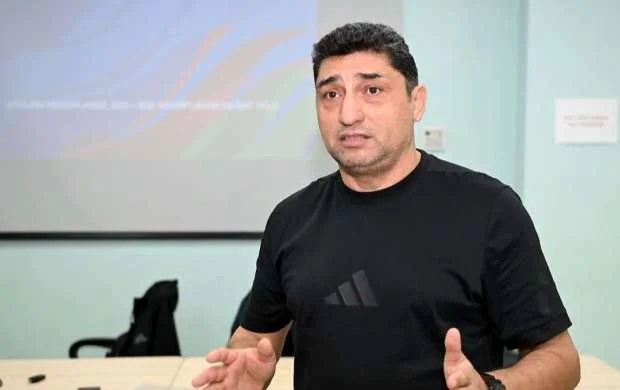
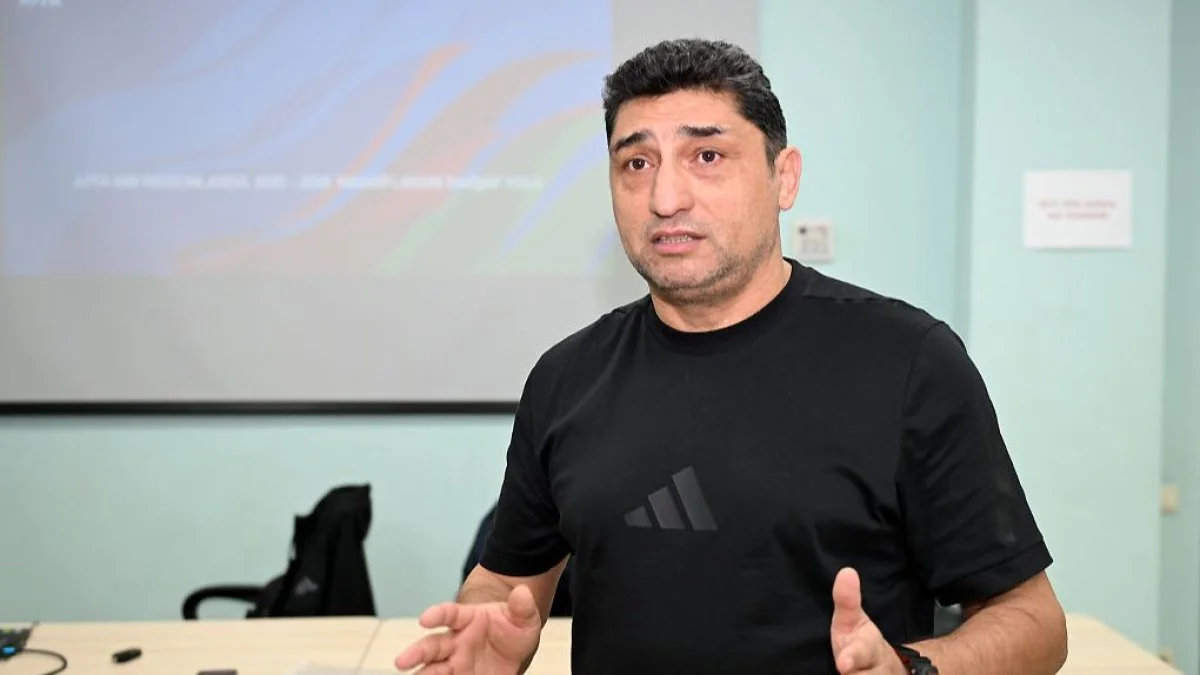
We contacted Aslan Karimov, the former Azerbaijan national team and Qarabag midfielder and respected football expert, to ask for his thoughts on the match.
He told Fanat.az:
“Before the match, I had said that both teams had an equal chance in this game. The way it unfolded bore that out. Of course, certain factors influenced the contest. One thing in Viking’s favour was the trip to Tovuz after the match against Turan Tovuz, followed by the journey back and then another trip to Norway. They were also playing on an artificial pitch. All of this inevitably gave Viking something of an advantage. It really is difficult to travel that much, recover and then play a match at Champions League level.
On top of all that, one of their key players, Veljko Simic, took to the pitch. He did play, but from what we could see, he was not fully fit going into the match. He kept giving the ball away during his time on the pitch, which suggested he had yet to regain full fitness. I think it would have been better if he had not played. Perhaps he took to the pitch because he felt ready himself. But playing after an injury, especially on an artificial surface, increases the risk of getting injured again. That may also have been one of the factors behind the defeat. Simic has a special role in Sabah’s side. When attacking, he manages to pop up almost everywhere on the pitch. It is only natural that the team should face certain difficulties without him. I cannot say the players were physically tired. But the factors I have mentioned contributed to the defeat. Without them, perhaps they could have performed better. That does not mean, however, that our opponents were physically superior to us. It would be wrong to say that. At times, our opponents also struggled to keep up with us. With the game being played at a high tempo, both teams managed to catch each other on the counter-attack. There is another point here, though. After Sabah had a player sent off, our players became tired. We have to acknowledge that openly. But before the red card, we had plenty of opportunities to score.
I think our opponents had analysed us well, and we had analysed them well too. There was a certain change in our play once Simic was no longer on the pitch. I also think we were better on the counter-attack in the first half. In the second half, there were also numerous occasions when we managed to get at our opponents in one-on-one situations.
For example, towards the end of the first half, Patrick Mbina was one-on-one with their centre-back in the opposition half during a counter-attack. All the other players were about ten metres behind him. In that situation, a striker should carry the ball forward and try to beat his man. But for some reason, Mbina was not decisive enough on that occasion. He waited and then passed backwards. So we failed to make the most of those situations. Our opponents, however, managed to take those opportunities. They also scored from a set piece, a corner. In fact, we had said before the match that it would be difficult to prevent that.
I think we were every bit as good as our opponents before the red card. The reasons for the defeat lay in the details. We failed to exploit their mistakes and the spaces that opened up when we pressed them. We could not turn their mistakes into goals or goalscoring chances. Our opponents, however, managed to capitalise on our errors. Ultimately, the red card was another factor that influenced the outcome. Perhaps there was no need to be so forceful and reckless in that incident. Nevertheless, I understand the player and cannot blame him. Sometimes the tension and stress of a match make you aggressive, and you can end up overstepping the mark.
Overall, I think the teams performed at roughly the same level. At the very least, it was a match worthy of the Champions League and the standard of this competition. But this is the Champions League, and there are no weak teams here. I actually compare this game with our match against Slavia Prague. Our opponents in that game were not a weak side either. You cannot look at the score and assume that we had them clearly pinned back in their own penalty area, keeping them under constant pressure. It was an evenly contested match. We simply managed to capitalise on their mistakes, made fewer errors ourselves and did not give them chances to score.
This time, things were slightly different. Our opponents managed to capitalise on our mistakes, but we could not make the most of theirs. We did so once, but it was not enough. In that sense, the red card, to be honest, became the decisive moment of the match. Our players tired after that, which is normal. Playing with ten men in the Champions League is no easy task.”
Alisahib Ibrahimli
This article was translated from Azerbaijani with the help of AI. Original in Azerbaijani